
Home Maintenance
Kelowna Spring Freshet: A Homeowner Checklist
Most freshet damage starts with a blocked path or a failed pump, not a river over the bank. Work through the list before the snowpack goes.
Jonathan Larose-SabourinPublished November 16, 202610 min read
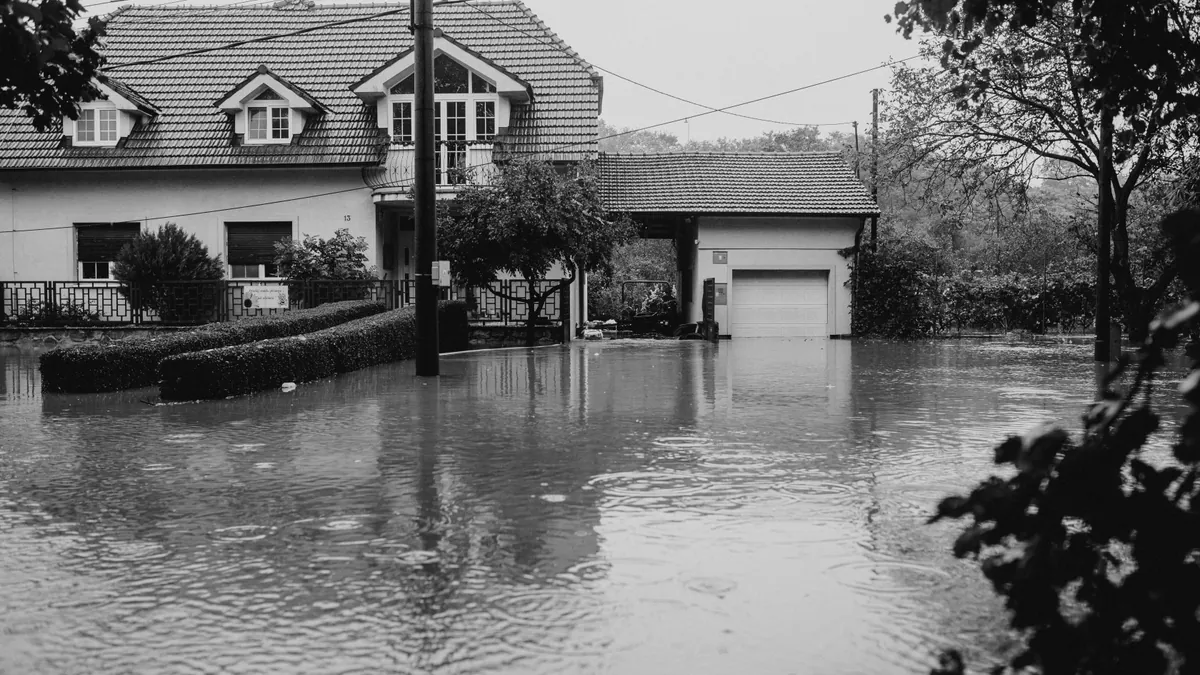
Freshet is the annual snowmelt that typically runs from April to July in British Columbia. In Kelowna it can mean higher creek flows, rising groundwater and a wetter crawlspace, even in a year when no creek reaches a bank. The City of Kelowna says the potential for flooding exists every year, and property owners living near creeks, streams, low-lying areas and lakefronts are responsible for having a plan and protecting their properties. This checklist covers the jobs a homeowner can inspect and the point where a water-damage or plumbing professional should take over. It can reduce obvious risk. It cannot guarantee that a home will stay dry.
What does spring freshet mean in Kelowna?
The City describes freshet as the annual snowpack melt that typically occurs from April to July in B.C. It becomes a problem when winter snowpacks melt rapidly, overwhelming stream channels and creating floods. The City says it works with provincial departments to monitor the factors that dictate timing: snowpack levels, temperatures and precipitation forecasts. It may place sandbags or bladder dams at strategic locations to protect critical infrastructure, but that work does not replace a homeowner's own preparation.
The River Forecast Centre analyses snowpack, assesses seasonal water supply and flood risk, and predicts flows in the province's rivers and streams. Its snow accumulation and melt season runs from January to June. In the May 1, 2026 bulletin, the provincial mountain snowpack was 83% of normal, down from 92% on April 1. About 15% of the peak snowpack at automated stations had melted by May 1, compared with roughly 6% on average, and about 28% had melted by May 7. The same bulletin says snowpack alone does not determine flood hazard; heavy rain or rain on snow can raise runoff quickly. That is why a dry-looking spring can still produce a wet basement.
Kelowna has seen the difference between a high creek and a damaging one. The City's flooding page recounts 2017 and 2018, when record-setting rainfall, snowmelt, saturated ground and high groundwater combined to cause major flooding in Mill Creek and damage along Bellevue Creek and the Okanagan Lake foreshore. A homeowner checklist is not a substitute for the City's creek maintenance or emergency response. It is the part of the work that happens on private property before the water arrives.
How do you clear roof drainage paths?
Start at the roof and work down. The goal is to give water an obvious path away from the foundation and to remove the debris that turns a small overflow into a wet wall. Do this on a dry day, from the ground where possible, and never climb onto a wet roof. If the gutters are high, steep or already sagging, a gutter cleaning and eavestroughing contractor can clear them safely.
- ☐ Clear leaves, needles and grit from gutters and downspout outlets.
- ☐ Check that downspouts are connected and not discharging against the foundation.
- ☐ Extend downspouts at least 2 metres from the basement wall where the site allows.
- ☐ Confirm the ground slopes away from the house, not back toward it.
- ☐ Clear window wells, areaways and stair drains of leaves and debris.
- ☐ Keep nearby storm drains and culverts clear, without lifting heavy grates by hand.
- ☐ Check that roof drains, scuppers and overflow paths are open.
- ☐ Move firewood, soil, mulch and stored items away from siding and foundation vents.
- ☐ Look for staining, efflorescence or soft spots that suggest water has already been tracking in.
PreparedBC's flood guide gives the same basic order: clean gutters regularly, keep nearby storm drains clear and make sure gutter downspouts extend at least 2 metres from the basement wall so water drains away from the property and neighbouring properties. The City of Kelowna's stormwater page explains why the path matters: stormwater drains discharge to creeks, ponds and lakes without going through a treatment plant. Do not pour chemicals, paint, pool water or yard waste into a storm drain. A drain that is clear of debris is also a drain that is less likely to back up.
How do you check grading, window wells and crawlspaces?
Walk the perimeter during or just after a steady rain. You are looking for places where water stands, runs toward the foundation or disappears into the soil next to a wall. A slope that looks fine in July can hold water in April when the ground is saturated. If the low spot needs more than a rake and a wheelbarrow, a landscaping contractor can assess the grade and reshape the soil so it drains away from the wall.
- ☐ Look for low spots, ruts or depressions along the foundation.
- ☐ Check that soil, mulch and patio slabs slope away from the wall.
- ☐ Confirm window wells are clear, covered where appropriate and draining.
- ☐ Check crawlspace vents and access hatches for blockage or damage.
- ☐ Look for damp insulation, rusted fasteners, white staining or a musty smell in the crawlspace.
- ☐ Keep stored items off a bare crawlspace floor so air can move and leaks are visible.
- ☐ Check the base of ground-level doors, garage doors and basement windows for gaps.
- ☐ Look for cracks in the foundation wall or floor and note any that are new or widening.
Do not enter a flooded crawlspace. Standing water can hide electrical hazards, sharp debris and damaged supports. If the crawlspace is wet, shut off power to the affected area only if you can do it safely from a dry location, and call a professional. A musty smell without visible water can still mean a ventilation or drainage problem worth investigating.
What should you test on a sump pump and backwater valve?
A sump pump and a backwater valve solve different problems. A sump pump removes groundwater from a pit, usually fed by weeping tiles, and discharges it away from the foundation. A backwater valve is a one-way valve on the pipe that carries wastewater from the home to the municipal sewer or septic system. It closes when a backup or backflow is detected. One is about water coming up from the ground. The other is about sewage coming back up the drain.
The Government of Canada says a sump pump should have a check valve on the discharge pipe and should direct water at least 1.5 metres from the foundation where possible. It recommends a full pump test once a year: pour water into the pit and confirm the pump activates, the discharge pipe is clear and water is directed away from the foundation. It also recommends an alternate power source and a backup pump, because a sump pump that depends on the grid will stop in a power outage. Check the manufacturer's instructions for your model, and replace the pump on the schedule the manufacturer recommends.
A backwater valve should be installed by a licensed plumbing professional. The Government of Canada advises checking local permit and inspection requirements before installation, confirming that the valve is suitable for the plumbing configuration and asking the installer to explain how to inspect and maintain it. Depending on the type, a plumber should inspect and maintain the valve, at least once a year in the spring. PreparedBC's flood guide lists backflow valves on basement floor drains, washing machine drains, toilets and sink drains, plus a sump pump, among the home improvements that can reduce flood damage.
| What you see | What it may mean | Who to call |
|---|---|---|
| Water rising in the sump pit but the pump is not running | Float, switch, power or pump failure | Plumber or drainage contractor |
| Sewage smell or water backing up from a floor drain | Sewer backup or a blocked line | Plumber; keep people and pets away from the water |
| Damp crawlspace or water on the crawlspace floor | Groundwater, drainage or ventilation problem | Water-damage cleanup company or drainage contractor; do not enter a flooded crawlspace |
| Water staining a basement wall or ceiling | Roof, window, foundation or plumbing leak | Roofer, plumber or water-damage cleanup company depending on the source |
| Well water cloudy, coloured or smelling different | Possible contamination after flooding or runoff | Qualified laboratory and Interior Health; do not drink the water until tested |
What changes for private wells and septic systems in a wet spring?
A private well owner is responsible for testing the water. HealthLink BC says bacteriological testing should be done at least once a year, or immediately if you notice a change in clarity, colour or taste. Weather, seasons, drought, floods or other events can cause contamination, so it recommends re-testing after those events. Samples should go to a qualified laboratory, and the lab will provide the sample bottles and instructions.
The BC Centre for Disease Control is blunter about flood-affected wells: in flood-affected areas, well water should be considered not for human consumption until the well is assessed, and the water is disinfected and tested. Interior Health says flood water may contain raw sewage, chemical contaminants and debris, and that a private water source may need treatment and testing before consumption resumes. Do not rely on appearance or smell. If you are unsure, use an alternate source and contact Interior Health or a qualified lab.
Septic systems have their own high-water rules. Interior Health says a private sewage system cannot function properly when soil is saturated or flooded. It advises discontinuing use, shutting off power to a sewage lift pump and avoiding pumping the tank during the high-water season, because an empty tank is buoyant and may pop out of the ground. After flooding, do not use the system until the water in the disposal field is lower than the water level around the house. If you suspect damage, have the system professionally inspected and serviced. Local septic and drain services contractors work on private systems; the Sewerage System Regulation requires an authorized person for construction, repair and maintenance of a septic system. This is general information, not legal advice; confirm requirements with Interior Health or the relevant authority.
When should you call for water-damage or plumbing help?
Call when water is entering the home, when sewage is backing up, when a sump pump has failed, when a crawlspace is flooded or when a well or septic system may be contaminated. Those are not jobs for a shop vac and a fan. Standing water can hide electrical hazards, contaminated water can make people sick, and a small leak that soaks drywall or insulation can lead to mould if it is not dried quickly.
A plumber is the right first call for a plumbing leak, a failed valve, a blocked line, a sewage backup or a sump pump that will not run. A restoration company is the right call for water extraction, drying, moisture mapping, removal of damaged materials and mould remediation. Some jobs need both: the plumber finds and stops the source, and the restoration company dries the space. For a life-safety emergency, call 9-1-1 and follow the instructions of local authorities.
The restoration services trade page lists local restoration companies, and the pages linked above for plumbers, septic and drain services, gutter cleaning and eavestroughing, and landscaping cover the other trades in this checklist. The guide to choosing a restoration company explains what to ask about drying, mould and insurance paperwork. For urgent non-flood repairs, the guide to home repair emergencies in Kelowna walks through the first call.
Frequently asked questions
Sources
- Flooding
City of Kelowna · Kelowna; freshet season, City monitoring, property owner responsibility, sandbags and local flood history. Indexed text verified; direct automated fetch returned HTTP 403.
Accessed November 16, 2026
- River Forecast Centre
Province of British Columbia · Published June 18, 2026 · British Columbia; snowpack, seasonal water supply, flood risk and streamflow forecasts
Accessed November 16, 2026
- Snow Survey and Water Supply Bulletin — May 1, 2026
BC River Forecast Centre, Province of British Columbia · Published May 1, 2026 · British Columbia mountain snowpack; 2026 snowmelt timing and flood outlook. Indexed PDF text verified.
Accessed November 16, 2026
- Flood Preparedness Guide
PreparedBC, Emergency Management BC · British Columbia; gutters, storm drains, downspouts, backflow valves, sump pumps and evacuation advice. Indexed PDF text verified.
Accessed November 16, 2026
- Sump pumps
Government of Canada · Canada; sump pump purpose, discharge distance, annual test and backup power. Indexed text verified; direct automated fetch timed out.
Accessed November 16, 2026
- Backwater valves
Government of Canada · Canada; backwater valve purpose, licensed installation, permits and maintenance. Indexed text verified; direct automated fetch timed out.
Accessed November 16, 2026
- Well water testing
HealthLink BC · Published July 25, 2025 · British Columbia; private well responsibility, annual bacteriological testing, re-testing after floods and qualified laboratories
Accessed November 16, 2026
- Flood zones are danger zones
BC Centre for Disease Control · British Columbia; flood-affected well water considered not for human consumption until assessed, disinfected and tested. Indexed text verified.
Accessed November 16, 2026
- Drinking water
Interior Health · British Columbia; private water owner responsibility and testing
Accessed November 16, 2026
- Sewage Systems and Flooding: Safety, Sanitation and Clean-up
Interior Health · British Columbia; private sewage systems during and after flooding. Indexed PDF text verified.
Accessed November 16, 2026
- Stormwater
City of Kelowna · Kelowna; stormwater drains and discharge to creeks, ponds and lakes. Indexed text verified; direct automated fetch returned HTTP 403.
Accessed November 16, 2026
Common questions
When is freshet in Kelowna?
Does this checklist prevent flooding?
Can I test my well water myself?
What should I do if my septic system is flooded?

Written by
Jonathan Larose-Sabourin
Founder, Loonglade Web Studio · Kelowna, British Columbia
Jonathan Larose-Sabourin is the founder of Loonglade Web Studio, the Kelowna-based studio that operates this trades registry. He writes about local home-services rules, costs and maintenance for Kelowna homeowners.
Share this story
Related stories
Home Maintenance
Roof Snow Load in Kelowna: What Homeowners Should Know
The code sets a design load. Your roof needs a site-specific answer, and the difference matters on a heavy snow day.
November 16, 2026 · 10 min read

Costs & Budgets
Renovation Insurance in Kelowna: What to Check First
A renovation can change occupancy, value and who is responsible for damage. The policy wording decides what happens next.
November 16, 2026 · 9 min read
Home Maintenance
Attic Condensation in Kelowna Winters: Causes and Fixes
A cheap two-visit inspection that separates air-leak condensation from roof-leak water, then fixes air sealing, ventilation and insulation in order.
November 21, 2026 · 8 min read
Find restoration services in Kelowna
Compare local listings on the Restoration Services in Kelowna page.
Before you call, read the How to Choose a Restoration Company in Kelowna.
Save the pros you trust.
Create a free account to save listings, compare them later, and rate the tradespeople you hire — it helps your neighbours hire well.