
How to Choose a Restoration Company in Kelowna
Last updated: 2026-09-28
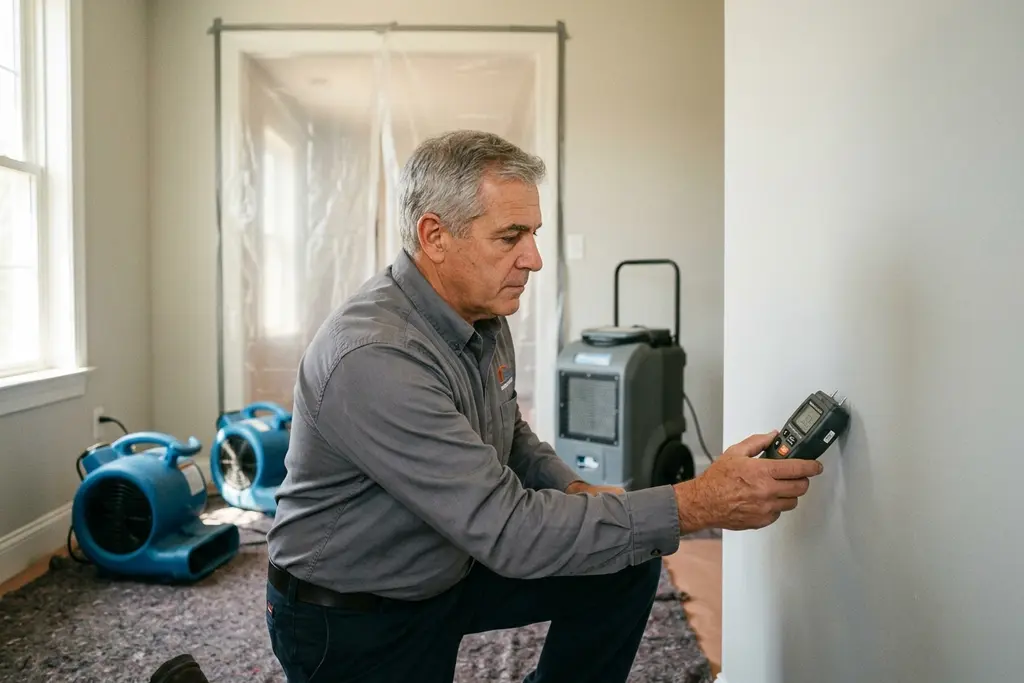
Hiring a restoration company usually happens under pressure: a burst supply line, a kitchen fire, or mold behind a wall means damage grows by the hour, and the same company has to both stop it and produce the paperwork your insurer needs. This guide covers what to do before any work starts, how to compare written scopes, what certification means in this trade, and the red flags worth pausing for.
Safety first, then document before cleanup
Your first moves are about damage control and evidence, not signing contracts. Stop the source if it is safe (shut off the water main for a burst pipe, for example) and stay out of fire- or mold-affected rooms until they have been checked. Then document everything before cleanup begins.
- Shut off the water or power to the affected area if it is safe to do so.
- Photograph and video every damaged room and item before anything is moved, cleaned, or torn out.
- Write a complete list of damaged or destroyed items, with notes and any receipts you can find.
- Call your insurance representative as soon as you can, and note your policy's deadline for submitting the claim.
- Ask your insurer before discarding damaged materials, since hauled-away contents are hard to account for later.
Ask for written scopes you can compare
Even in an emergency, get the scope in writing before crews start demolition or set equipment. Restoration costs are built from line items: what is removed, how long drying runs, and what is rebuilt. The adjuster on your claim reviews those lines against your policy, so two quotes that look close can include very different work.
- Send two or three companies the same photos, item list, and damage description.
- Ask each scope to separate demolition and removal from cleaning, drying, and reconstruction.
- For water damage: how many air movers and dehumidifiers, for how many days, and how the company will verify the structure is dry before equipment leaves.
- For mold: how the work area will be contained and isolated from the rest of your home.
- Whether rebuild work is included or a separate phase, and how debris disposal is billed.
- How unexpected findings mid-job get priced, documented, and approved before work continues.
Documentation, certification, and containment
Insurance Bureau of Canada guidance for a property claim is to record the details, photograph and list everything damaged, and call your insurance representative as soon as you can; an adjuster then reviews the loss and determines what your policy covers. You can also discuss with your insurer whether you may use a supplier of your choice for the repairs. On credentials, the IICRC (Institute of Inspection, Cleaning and Restoration Certification) is a non-profit industry body that trains and certifies technicians and certifies firms in restoration work, including water damage, fire restoration, and mold remediation. That is a voluntary credential, not a government licence, and you can confirm a firm's status through the IICRC's online locator. Ask which IICRC standard the company follows for drying or mold work, ask for proof of liability insurance and workers' compensation coverage where it has employees, and confirm anything you are unsure about with the relevant authority.
Red flags worth pausing for
- Pressure to sign a work authorization on the spot, before you have photographed the damage or spoken to your insurer.
- No itemised scope, just a promise to bill everything to the insurance company.
- Discouraging you from calling your insurer, documenting the damage, or keeping damaged items until they are reviewed.
- Drying equipment dropped off and never checked again, with no readings and no explanation of how dryness will be verified.
- A demand for a large cash deposit on emergency work, or no proof of certification, liability insurance, or workers' compensation when you ask.
Where to start in Kelowna
Compare the restoration companies listed on this directory, note who offers emergency availability, and keep two or three numbers ready before you need them. When damage does happen, you can move fast and still ask for the written scope, documentation, and certification that protect both your home and your claim.
Common questions
Do I have to use the restoration company my insurer suggests?
What does IICRC certification actually tell me?
Sources
Find restoration services in Kelowna
Compare ratings, hours and contact details on the Restoration Services in Kelowna page.
— For homeowners —
Save the pros you trust.
Create a free account to save listings, compare them later, and rate the tradespeople you hire — it helps your neighbours hire well.