
Costs & Budgets
Renovation Insurance in Kelowna: What to Check First
A renovation can change occupancy, value and who is responsible for damage. The policy wording decides what happens next.
Jonathan Larose-SabourinPublished November 16, 20269 min read
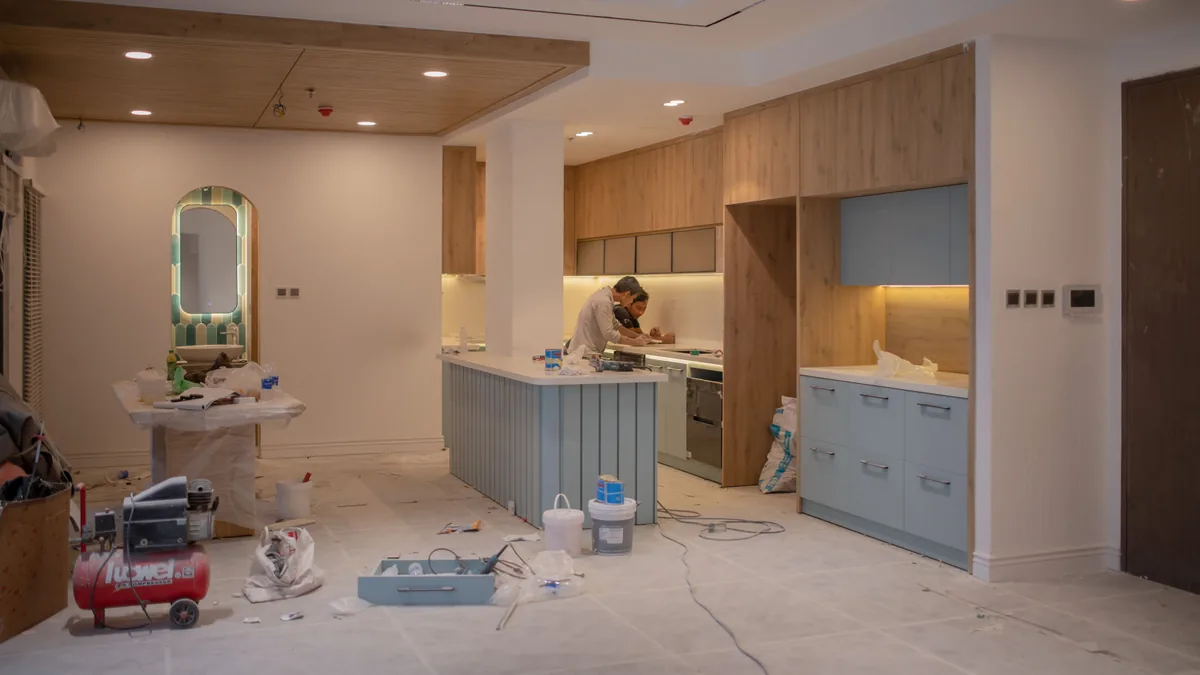
A renovation is usually planned around the general contractor's schedule, the permit and the budget. Insurance often comes last, which is the wrong order. A standard home policy is built around an occupied home. A renovation can change how the home is occupied, raise the cost to rebuild it and put a different party in control of the site. None of those changes automatically voids a policy, and none is automatically covered. The policy wording and the insurer's underwriting decide. This guide gives you the questions to ask before work starts and the records to keep while it runs.
Why can a renovation change your insurance?
The Insurance Bureau of Canada says standard property insurance policies are designed for occupied properties. It advises homeowners to notify their insurer before renovations or construction because coverage terms may change and additional insurance, such as a builder's risk policy, may be required. That is not a sales pitch. It is a warning that the risk the insurer agreed to carry at renewal may not be the risk on the site once walls are open, materials are stacked in the yard and the family has moved out.
There is also a duty to report material changes. The IBC says reporting material changes to the property during the policy period is the homeowner's responsibility, and it lists renovating or making upgrades as a change to discuss with the insurance representative. A material change is not limited to a new pool or a home-based business. A new addition, a finished basement, a secondary suite or a substantial rebuild can all change the value or the risk.
The rebuild value is the third piece. A home policy's building limit is based on what it would cost to rebuild, not on the market value or the municipal tax assessment. A renovation can raise that cost through better materials, a larger footprint, new systems or code upgrades. The IBC notes that inflation protection may not keep up with construction costs and does not factor in renovations, so the limit should be reviewed after a major change.
What do vacancy, occupancy and “under construction” rules mean?
Words like vacant, unoccupied and under construction are defined by the policy, not by everyday conversation. Ask the broker to point to the definition that applies to your project and put the answer in writing.
Builder's risk policies can contain conditions or exclusions for extended vacancy or unoccupied buildings during construction. That matters if the family moves out for a gut renovation, if the project stalls or if the home sits empty between trades. The IBC also warns that most policies exclude frozen pipes or water damage if the home is vacant, even when the policy gives permission for vacancy. As general guidance, the IBC says that if you are away from home for more than four days during the normal heating season, you must drain the plumbing or have the home checked regularly or daily to ensure heat is maintained. Your policy may use different wording, so confirm it.
The practical date question is not just “when does the permit start?” It is “on which nights will nobody be living here, and what does the policy require on those nights?” A renovation that keeps the kitchen usable and the bedrooms occupied is a different risk from a full house lift or a months-long relocation. Tell the broker which one you are planning.
Who pays when a contractor damages your home?
A contractor's insurance is not the same as your property insurance. The IBC says most contractors have commercial general liability coverage, which protects them against claims for bodily injury or damage to someone else's property during business operations. That is liability protection for the contractor. It generally does not cover damage to the construction project itself.
That gap is why builder's risk exists. A builder's risk or course of construction policy covers loss or damage to the structure and to building materials and supplies used in the project. The homeowner ultimately pays for it, either by buying it through a broker or by having the contractor arrange it and include the cost as a line item in the quote. For a larger project, ask the contractor for a quote and compare it with what your broker can arrange.
Builder's risk is not a maintenance warranty. The IBC says the cost of repairing faulty workmanship itself is typically excluded, although resulting damage to insured property may still be covered. A leaking shower that was installed badly may be a workmanship dispute. Water damage to the floor below may be a different coverage question. Those distinctions are why the written contract, the scope and the cause of the loss matter.
- Ask for a current certificate of insurance from the contractor before work starts.
- Confirm the policy covers the type of work being done, not just general contracting.
- Ask whether the contractor carries WorkSafeBC coverage for the workers on site.
- Ask who is buying builder's risk and whether the policy names the homeowner and the contractor.
- Read the exclusions for vacancy, unoccupied periods and faulty workmanship.
- Do not accept “we're fully insured” as an answer to a coverage question; ask for the document.
How do permits, bylaws and rebuild value affect coverage?
The City of Kelowna administers building permits, and the BC Building Code regulates new construction, alterations and repairs, and demolitions. The code edition that applies depends on when the permit was applied for. The BC Building Code 2024 came into effect on March 8, 2024 and applies to projects with building permits applied for after that date. Confirm with the City whether your work needs a permit, especially if it changes structure, plumbing, electrical or heating. Do this before the contractor starts.
Permits and bylaws are not insurance. They are evidence of how the work was authorized and inspected. Ask your broker how the insurer treats work that was not permitted or does not meet the applicable code. Do not assume that a beautiful finished basement is covered just because it looks complete. Ask the insurer what documentation it wants before it agrees to insure the new value.
Rebuild value is the number to review with the broker. The IBC says the amount required for a building should correspond to what it would cost to replace it, and that replacement value may differ from market value and municipal tax assessment. After a major renovation, the old limit may be too low. Insurance is also designed to replace what you had, not to fund upgrades. If you choose higher-end finishes or add new features, those improvements are generally at your own expense unless the policy is updated to reflect them.
If the home is in a strata corporation, there are two policies to consider. The strata corporation insures common property and the original building, while the owner's policy covers contents, improvements, other fixtures, rental value and liability. A renovation inside a strata unit can affect both. Ask the strata council or property manager for the current insurance summary before you change finishes, fixtures or layout.
What should you ask your broker before work starts?
Bring the project description, the drawings or scope, the start and end dates and the answer to one practical question: will anyone be living in the home every night? Then ask these questions and write down the answers.
- Does the policy require notice before a renovation, and in what form?
- Is the home considered vacant or under construction at any point, and what triggers that definition?
- Are contractor tools, materials and temporary structures covered, and under which policy?
- Does the rebuild value need updating, and what documentation does the insurer want?
- What happens if work is not permitted or does not meet the applicable code?
- Who pays for damage to the existing home versus the new work?
- Does the contractor's liability policy cover the project itself, or is builder's risk needed?
- What happens if the project runs long, the home sits empty or the family moves out?
- What is the deductible, and does it change for water damage or a construction-related loss?
- If this is a strata unit, how do the strata policy and the owner's policy interact?
What should you document during the project?
Good records do not create coverage, but they make a claim easier to prove and a coverage question easier to answer. Keep them somewhere other than the construction site, and send the important ones to your broker or insurer when they ask.
- Photographs and video of the rooms and systems before work starts, including any pre-existing damage.
- The signed contract, scope of work, drawings and change orders.
- The building permit and any inspection records.
- The contractor's certificate of insurance and WorkSafeBC clearance, kept current.
- Receipts for materials, equipment rental and temporary accommodation.
- A log of the dates the home was empty, who checked it and what the heating and water were doing.
- Photographs of the work in progress and the completed work.
- Copies of the updated policy, endorsements and any written answers from the broker.
If something goes wrong, report it promptly. The IBC notes that most insurers have 24/7 claims reporting. Do not make permanent repairs that destroy evidence before the insurer has a chance to inspect, unless the work is necessary to prevent further damage. Keep the emergency receipts.
For the hiring side, compare local general contractors and renovation companies and read the guide to choosing a general contractor in Kelowna before signing. If the work involves water damage or an insurance claim, the restoration services trade page lists local providers. The guide to contractor deposits and payment schedules in BC covers a separate risk that is still part of the same project.
Sources
- Building or Renovating This Spring? Make Sure You're Properly Covered
Insurance Bureau of Canada · Published April 9, 2026 · Canada; renovation, builder's risk and contractor liability
Accessed November 16, 2026
- How to buy home insurance
Insurance Bureau of Canada · Canada; policy obligations and material changes
Accessed November 16, 2026
- Types of home coverage
Insurance Bureau of Canada · Published September 15, 2025 · Canada; replacement value, vacancy and heating-season guidance
Accessed November 16, 2026
- Does my insurance cover damage caused by extreme cold?
Insurance Bureau of Canada · Published January 17, 2025 · Canada; vacant homes and frozen pipes
Accessed November 16, 2026
- What Does Home Insurance Pay For? More Than You Might Think
Insurance Bureau of Canada · Published November 12, 2026 · Canada; rebuild limits, inflation protection and upgrades
Accessed November 16, 2026
- Insurance for strata corporations
Province of British Columbia · Published July 23, 2025 · British Columbia; strata and owner insurance responsibilities
Accessed November 16, 2026
- Apply for a building permit
City of Kelowna · City of Kelowna; building permit process
Accessed November 16, 2026
- BC Building Code 2024
Province of British Columbia · Published March 10, 2025 · British Columbia; code scope and effective date
Accessed November 16, 2026
Common questions
Do I have to tell my insurer before renovating?
Does my contractor's insurance cover damage to my house?
What if the house is empty during the renovation?
Does my rebuild value need to change after a renovation?

Written by
Jonathan Larose-Sabourin
Founder, Loonglade Web Studio · Kelowna, British Columbia
Jonathan Larose-Sabourin is the founder of Loonglade Web Studio, the Kelowna-based studio that operates this trades registry. He writes about local home-services rules, costs and maintenance for Kelowna homeowners.
Share this story
Related stories
Permits & Rules
Secondary Suite Rules in Kelowna: Permits and Inspections
The City's current suite requirements, translated into the questions to settle before you hire anyone.
November 16, 2026 · 9 min read

Costs & Budgets
EV Charger Installation in Kelowna: Permits and Panel Checks
A Level 2 charger is a small appliance with a large electrical question behind it. Here is the order to check things in.
November 16, 2026 · 9 min read
Home Maintenance
Attic Condensation in Kelowna Winters: Causes and Fixes
A cheap two-visit inspection that separates air-leak condensation from roof-leak water, then fixes air sealing, ventilation and insulation in order.
November 21, 2026 · 8 min read
Find general contractors & renovations in Kelowna
Compare local listings on the General Contractors & Renovations in Kelowna page.
Before you call, read the How to Check a BC Contractor's Licence and Insurance.
Save the pros you trust.
Create a free account to save listings, compare them later, and rate the tradespeople you hire — it helps your neighbours hire well.